A plain-science walkthrough of how professional pure water equipment manufacturers approach purified water — the physics, the design decisions and the questions worth asking before you buy.
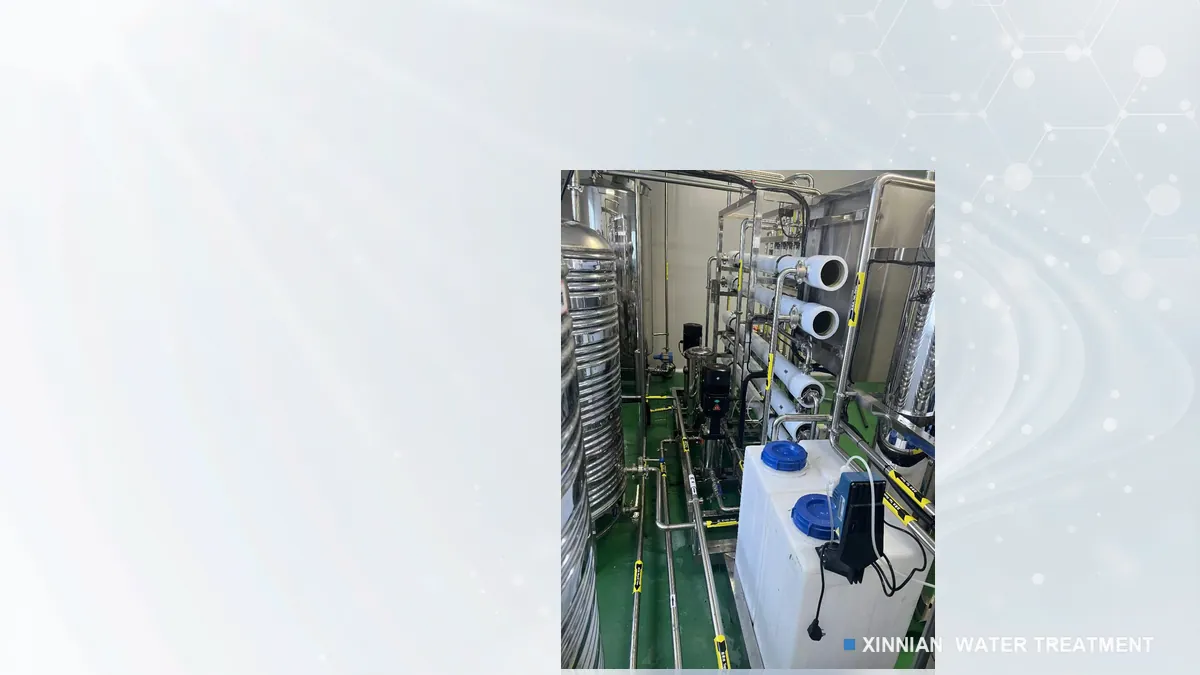
A pure water equipment manufacturers working in regulated industries is really selling two systems: the treatment plant that makes compliant water, and the distribution design that keeps it compliant until the point of use. The second is where audits are won or lost.
The most expensive error is silently bypassing pretreatment when the main line is down "temporarily". Untreated feed at full flow can scale a membrane stage in hours. Lock the bypass valve, train the operators on why it exists, and make the interlock part of your SOP rather than relying on discipline.
Quality targets differ by industry, and the vocabulary matters when you specify them. Conductivity in µS/cm describes bulk ions; resistivity in MΩ·cm is used once water gets very pure; TOC measures organic carbon; and silica, particle counts and bacterial endotoxins matter for electronics and pharmaceutical applications. Matching the metric to the application avoids paying for purity you do not need.
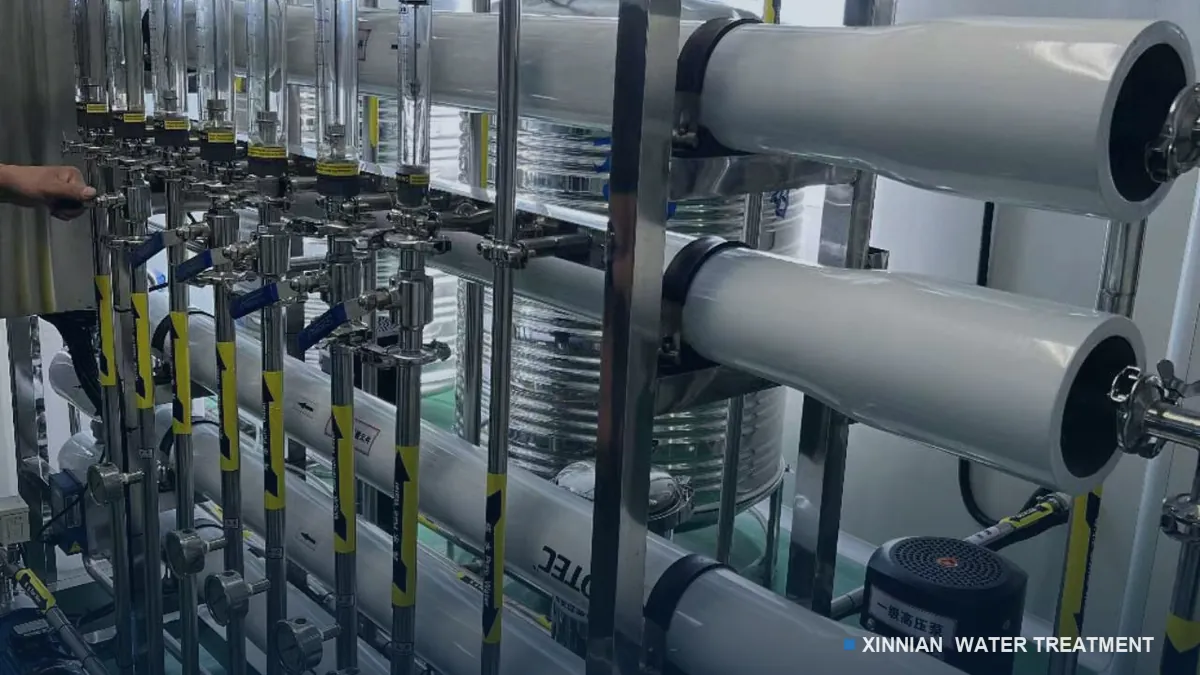
Before you compare quotes, write down four numbers: feed water type, daily output, peak hourly demand and the quality target you must hit. A reputable pure water equipment manufacturers will size the system around those numbers instead of selling you a standard frame. Feed water with high hardness, iron or silica, for example, changes the pretreatment train completely, and skipping that step is the most common cause of early membrane failure.
The storage tank is a microbiological instrument as much as a buffer. Vent filters (0.2 µm hydrophobic) keep airborne contamination out while allowing level changes; spray balls wet the upper surfaces during sanitization; and level control avoids the stagnant low-volume states where biofilms accelerate. Water returns to the tank through a loop that samples temperature, conductivity and TOC continuously — the system's vital signs.
Microbiology is the harder discipline. Bacteria in purified water systems grow in the biofilm at the pipe wall, not in the flowing water. Hygienic design attacks the biofilm's footholds: 316L stainless with electropolished interior surfaces (Ra ≤ 0.4–0.6 µm), orbital welding with full penetration, slopes of 1–2% toward drain points, and dead legs held under 3 pipe diameters — because stagnant volumes are where sanitization cannot reach and biofilm establishes itself.
Why is EDI preferred over mixed-bed polishers in pharma?
No regenerant chemicals means no chemical carryover risk, no regeneration waste stream, and continuously stable conductivity — a validation profile that is flat rather than sawtoothed. It also eliminates a whole class of operator-dependence from a GMP process.
Can plastic piping be used in pharmaceutical water systems?
Yes — validated PVDF or PP-R with full traceability is common, especially where hot-water sanitization is not required. Stainless wins on heat tolerance and mechanical credibility; the deciding factors are sanitization regime, budget and the project’s documentation culture.
What exactly is a "dead leg" and why does it matter?
Any pipe branch where water sits stagnant — an unused sample valve, an instrument tee too far off the loop. Sanitization heat or chemical never circulates effectively there, so biofilm establishes first in dead legs. Keeping branches under 3 pipe diameters is the standard engineering countermeasure.
Regulated water systems reward first-principles thinking: every slope, weld and instrument has a scientific reason, and auditors are fluent in asking for it. Choose a a pure water equipment manufacturer who can explain the "why" behind each line of the P&ID, and the validation file writes itself.
If you are planning a project, our link follow exactly this design logic.