A plain-science walkthrough of how professional pure water equipment manufacturers approach MBR — the physics, the design decisions and the questions worth asking before you buy.
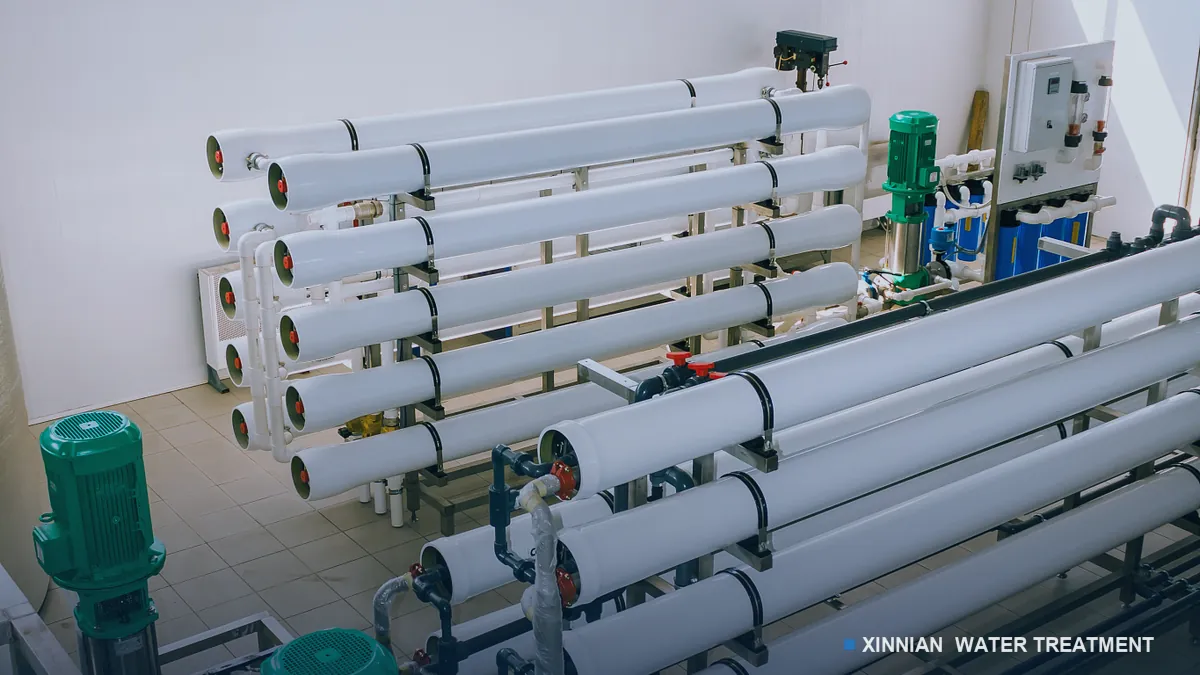
Conventional wastewater treatment ends with gravity: big tanks, slow settling, effluent that is good — but not reusable. Membrane bioreactors replaced that final gravity step with ultrafiltration membranes, and the difference is categorical: effluent with essentially zero suspended solids, ready for reuse or RO polishing.
Total solids retention transforms the biology. MLSS concentrations run 8–15 g/L — three to five times conventional activated sludge — which shrinks tank volumes dramatically and produces an older sludge age, favoring slower-growing organisms that nitrify completely and even degrade harder organics. The same tank does more because nothing walks out the door mid-reaction.
Operationally, MBR rewards discipline: keeping membranes wetted, respecting chemical cleaning protocols, watching transmembrane pressure trends like a hawk. Automated systems handle the rhythm — permeation cycles, backpulse, air scour — so operator attention concentrates on biology: MLSS, oxygen, foam, sludge age. It is two sciences in one plant, and good MBR operation respects both.
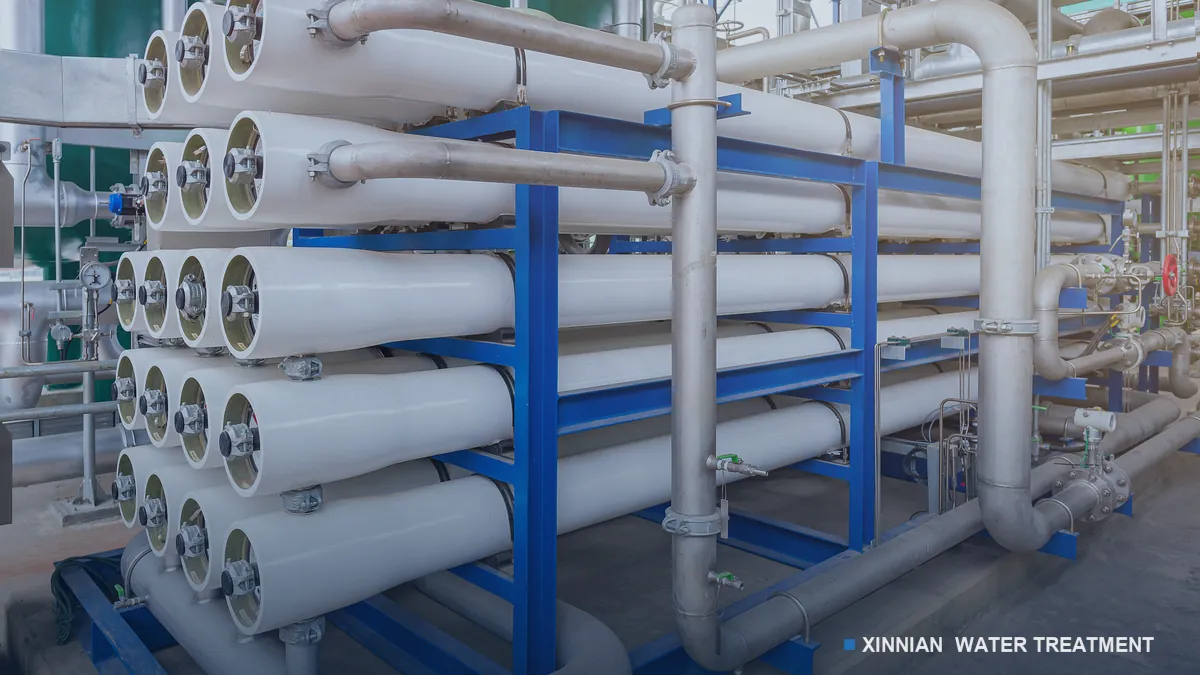
Before you compare quotes, write down four numbers: feed water type, daily output, peak hourly demand and the quality target you must hit. A reputable a pure water equipment manufacturer will size the system around those numbers instead of selling you a standard frame. Feed water with high hardness, iron or silica, for example, changes the pretreatment train completely, and skipping that step is the most common cause of early membrane failure.
The most expensive error is silently bypassing pretreatment when the main line is down "temporarily". Untreated feed at full flow can scale a membrane stage in hours. Lock the bypass valve, train the operators on why it exists, and make the interlock part of your SOP rather than relying on discipline.
Consumables deserve a calendar, not a memory: antiscalant and dosing chemicals checked monthly, cartridge filters every 1 to 3 months, UV lamps annually, and resin or membrane replacement by condition rather than by date. Plants that track these triggers consistently avoid the classic failure pattern of sudden quality loss after a holiday shutdown.
Is MBR worth it for a small industrial effluent?
Often yes — small plants benefit most from MBR’s compact footprint and unattended automation, and reuse or discharge-quality requirements seal the case. The honest exceptions are very high oil or fiber loads, which need dedicated pretreatment before any membrane sees the water.
Why did my MBR flux drop and stay low despite backpulsing?
Persistent flux loss after hydraulic cleaning indicates fouling chemistry needs intervention — usually organic gel or biofilm layering. A recovery clean with the correct hypochlorite-then-acid sequence, at the correct concentration and soak time, usually restores flux. If decline recurs quickly, look at scOURing air distribution and flux margin first.
Can MBR effluent be discharged directly to the environment?
Yes in most jurisdictions — with disinfection where required, it meets stringent discharge limits including nitrogen removal when the biology is designed for it. The membrane barrier also delivers a microbiological safety margin conventional clarifier trains cannot match.
Reuse is no longer a vision; it is a treatment train with established unit operations. MBR sits at its heart, converting yesterday’s effluent into tomorrow’s feedstock with a physics argument no clarifier can answer.
You can compare ready-made configurations in our link.